



The Medicaid Five-Year Look-Back Rule: What Colorado Families Need to Know

For many Colorado families, Medicaid—known here as Health First Colorado—is the only realistic way to afford long-term care. With monthly nursing home costs averaging more than $10,000 per month in Colorado, few people can pay privately for long. But qualifying for Medicaid requires navigating a complex system of rules, and one of the most confusing (and costly) is the five-year look-back rule.
At Life & Legacy Law, we help Colorado families understand and work within these rules every day. With proper planning, you can protect your home, preserve your savings, and still qualify for Medicaid when the time comes. Without planning, the same rules can result in delayed eligibility and devastating out-of-pocket costs.
What Is Colorado’s Medicaid Five-Year Look-Back Rule?
In Colorado, Medicaid will review all your financial activity for the previous 60 months (five years) when you apply for long-term care benefits. This applies whether you are seeking:
- Nursing home benefits
- Home and Community-Based Services (HCBS)
- Long-term care waiver programs
During this five-year period, Medicaid looks for transfers of assets for less than fair market value. This includes gifts or discounted transfers made to:
- Children
- Grandchildren
- Friends
- Trusts
- Anyone else
Even well-intentioned gifts—holiday checks, helping a grandchild with tuition, or adding a child to your home’s title—can trigger penalties if they occurred within five years of applying.
How the Medicaid Transfer Penalty Works in Colorado
If Medicaid identifies a disqualifying transfer during the look-back period, you will incur a Medicaid transfer penalty. This is not a financial fine. Instead, it’s a period of ineligibility during which Medicaid will not pay for your long-term care.
Colorado calculates the penalty by dividing the total amount transferred by the state’s penalty divisor, which is based on the average monthly cost of nursing home care in Colorado.
As of 2026, that amount is approximately $10,475 per month.
Example:
If you gave away $150,000 within the five-year look-back period:
$150,000 ÷ $10,475 = 14.3 months of Medicaid ineligibility
During those 14 months, you must pay the full nursing home bill—often $10,000+ per month—out of pocket.
This is why early planning is essential.
Common Actions That Trigger Look-Back Penalties
The following transactions can create significant problems if they happen within five years of applying:
- Gifting money to children or grandchildren
- Adding a child to the title of your home
- Selling your home or other property below fair market value
- Transferring assets into a revocable living trust
- Using large sums to pay someone else’s bills
- Forgiving loans without proper documentation
- Transferring assets into an irrevocable trust within the past five years
Even small gifts add up. Medicaid may question them, resulting in penalties or delays unless properly documented.
Why Early Planning Matters in Colorado
Because of Colorado’s strict 5-year look-back period, the earlier you begin planning, the more options you have. Early planning helps you:
1. Start the 5-Year Clock Early
Once five years have passed, previous gifts or transfers are no longer counted against you.
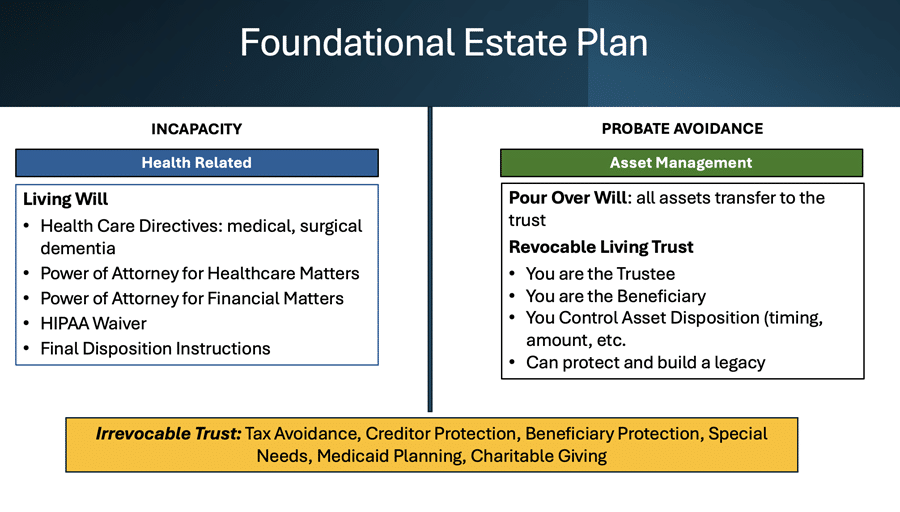
2. Use Medicaid Asset Protection Trusts (MAPTs)
A properly structured irrevocable trust can protect your:
- Home
- Savings
- Rental property
- Investments
—but only if funded five years before a Medicaid application.
3. Avoid Selling Assets Under Pressure
Families who wait until care is needed often must:
- Sell property quickly (and at a discount)
- Spend down savings unnecessarily
- Pay months of nursing home costs out-of-pocket
With early planning, you stay in control.
Medicaid Asset Protection Trusts (MAPTs)
MAPTs are one of the most effective long-term planning tools available in Colorado. When assets are transferred into a MAPT more than five years before applying for Medicaid:
- They are no longer considered “countable assets”
- They are protected from Medicaid estate recovery
- Your home can remain in the family
- Your savings can be preserved for a surviving spouse or children
MAPTs must be set up properly to comply with Colorado-specific rules, so professional guidance is essential.
What If You Didn’t Plan Early Enough? Crisis Planning Can Still Help.
Even if long-term care is needed soon—or immediately—options still exist.
Colorado elder law attorneys often use strategies such as:
- Spousal transfers (permitted under certain rules)
- Promissory note planning
- Caregiver agreements
- Partial gift and loan strategies
- Qualified Income Trusts (Miller Trusts) for people over Colorado’s income cap
While these tools are not as powerful as early planning, they can still significantly protect assets.
Avoiding Costly Mistakes in Medicaid Planning
To avoid unintentional penalties:
- Never give away assets without understanding the Medicaid consequences
- Keep clear records — Colorado Medicaid can request 5 full years of statements
- Always consult with a Colorado elder law attorney before major transfers
- Don’t rely on tax or probate advice alone — Medicaid rules operate differently
A single misstep can result in months or even years of Medicaid ineligibility.
The Bottom Line
Colorado’s Medicaid five-year look-back rule is strict—but with the right strategy, it can also serve as a roadmap to protect your home, savings, and legacy.
With early planning:
- Your assets can be protected
- You can qualify for Medicaid when needed
- Your family can avoid financial crisis
- You remain in control of your long-term care options
If you want to understand whether a Medicaid Asset Protection Trust (MAPT), advanced asset protection planning, or crisis planning is right for your situation, contact Life & Legacy Law today. We’ll help you build a plan that protects your future—and your family.
Contact us today to get started.
This article is a service of Life & Legacy Law. We don’t just draft documents; we ensure you make informed and empowered decisions about life and death, for yourself and the people you love.
This material was created for educational and informational purposes only and is not intended as ERISA, tax, legal, or investment advice. If you are seeking legal advice specific to your needs, such advice services must be obtained on your own, separate from this educational material.